Career guides on what jobs really involve and how to start
Career guides on what jobs really involve and how to start
Start with where you are

Breaking Into UX Design: A Step-by-Step Guide
There is no license to practice UX design in the United States. The closest federal occupational match is "Web and Digital Interface Designers" (ONET-SOC 15-1255.00), grouped by the U.S. Bureau of Labor Statistics under "Web Developers and Digital Designers," and hiring in it turns on what you can show: research you ran, screens you designed, and decisions you can explain.
Wyatt Holloway · 8 min read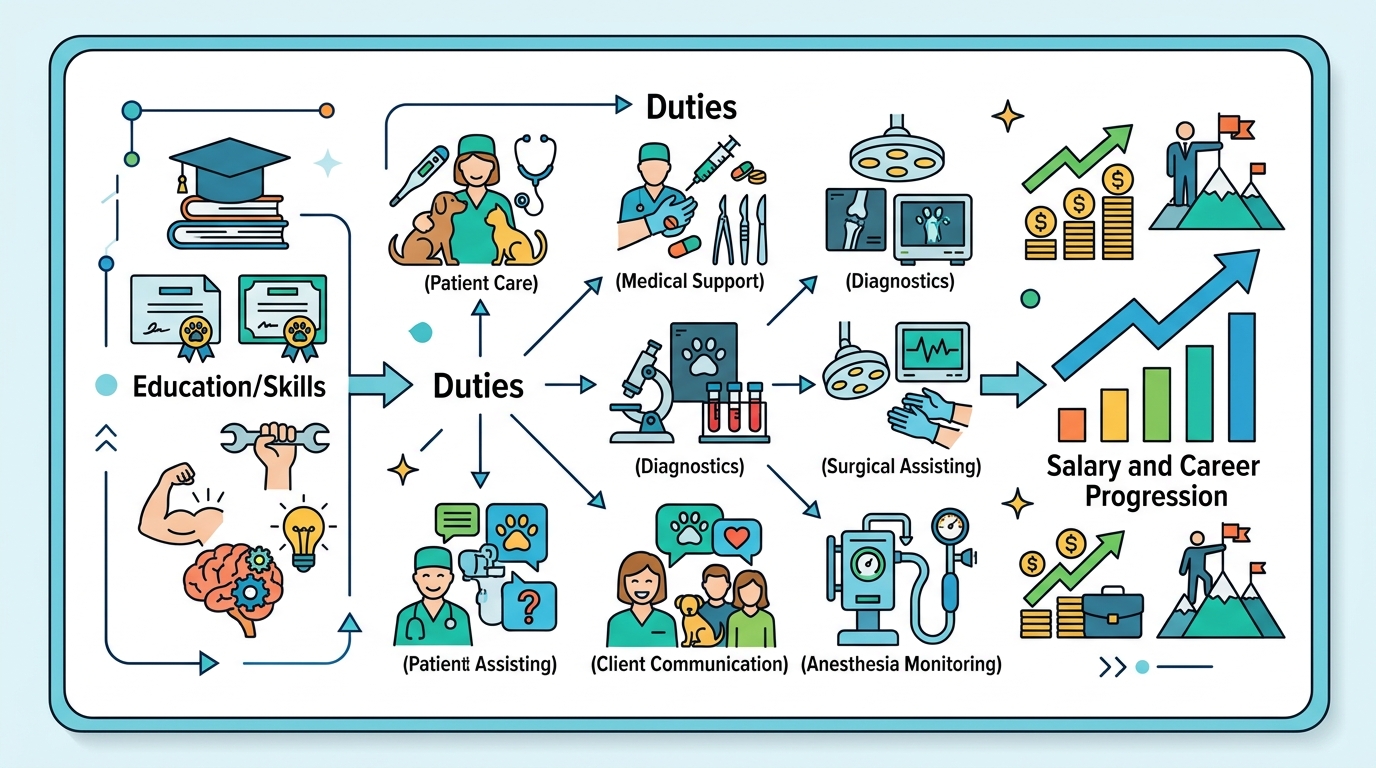
What Does a Vet Tech Do? Duties, Skills, and Salary Explained
A veterinary technologist or technician is the clinical support behind a veterinarian: you restrain and handle patients, draw blood, take radiographs, give and monitor anesthesia, prepare surgical instruments, and explain home care to owners. Most of the job is hands-on animal work in a clinic, plus a steady amount of charting in practice management software.
Marisol Tanaka-Reyes · 8 min read
PMP Certification: Requirements and How to Get Certified
The Project Management Professional (PMP) credential is issued by the Project Management Institute (PMI), not by any state agency. To earn it you document months of leading projects, complete 35 contact hours of formal project management education (or hold PMI's CAPM), pass PMI's eligibility review, and then pass the PMP exam.
Marisol Tanaka-Reyes · 8 min readLatest guides
Nursing: A Guide for Career Changers
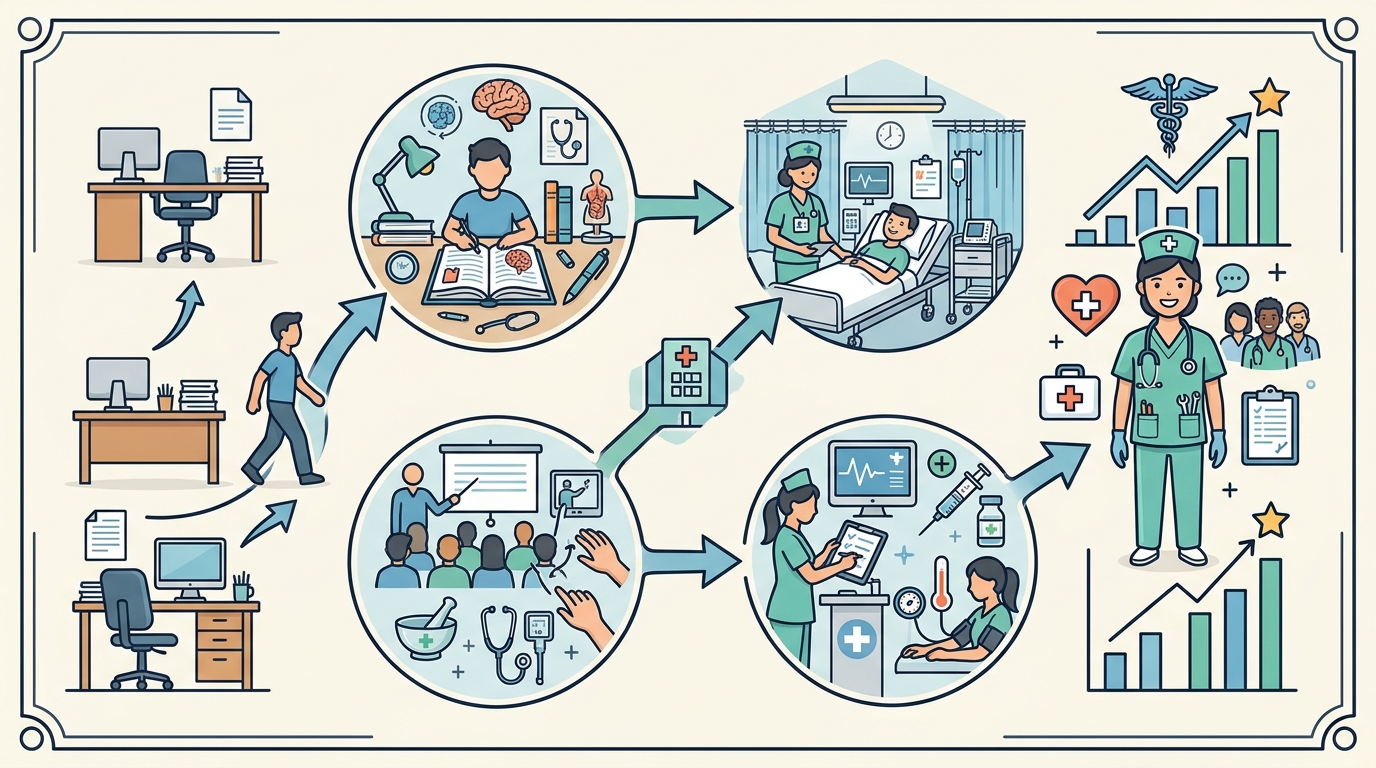
Nursing is one of the more structured mid-career switches available: the route is defined by your state's board of nursing, the credential is portable, and the demand is steady, with about 180,800 registered nurse openings projected each year on average from 2025 to 2035 (U.S. Bureau of Labor Statistics, 2025). The catch is front-loaded. You pay for school and complete 600-800 unpaid clinical hours before anyone pays you to nurse, and most career changers spend somewhere between 12 months and four years getting licensed depending on the path they pick.
Desmond Okafor · 10 min read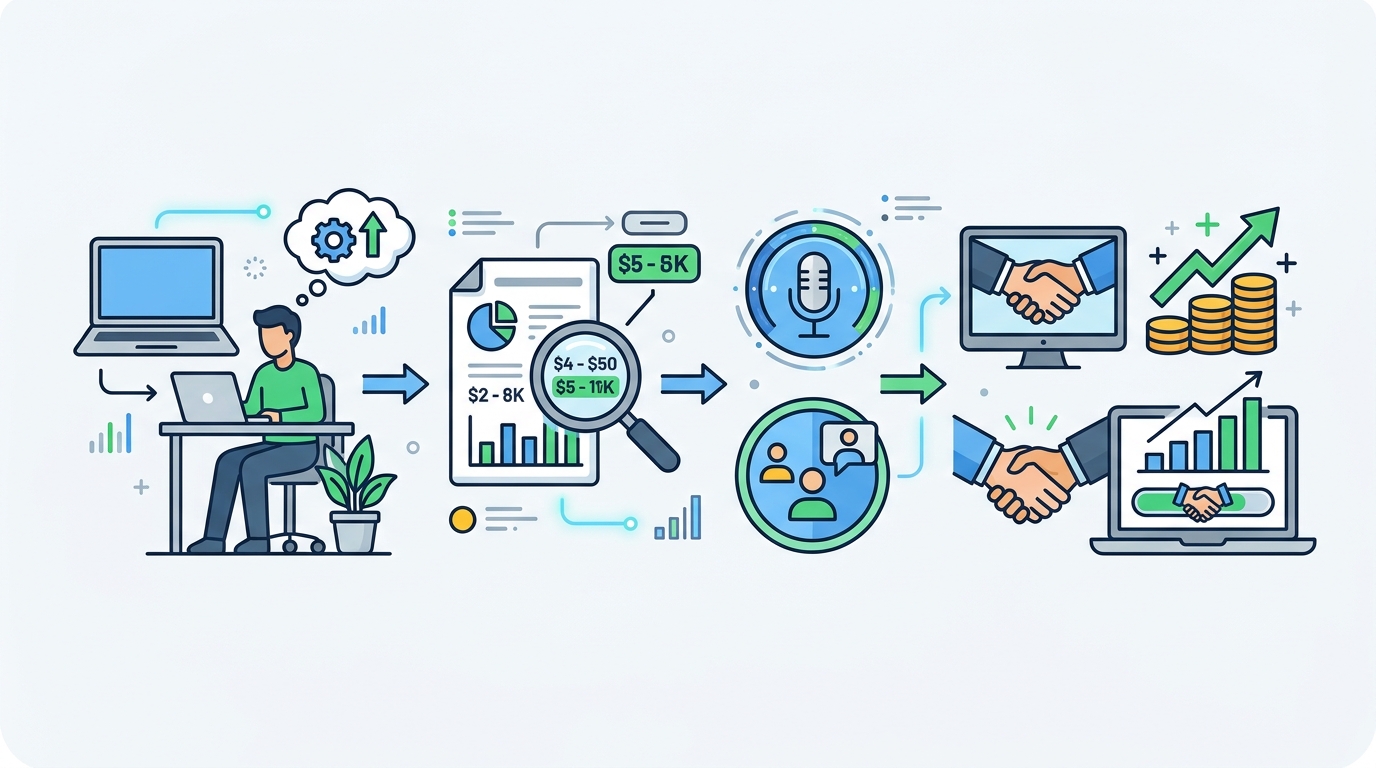
How to Negotiate a Higher Salary as a Remote Worker
Negotiating a raise as a remote worker works the way it does in an office — evidence, a number, a date — with one extra question to answer: how your employer prices distributed roles. Asking usually pays off: 82% of full-time workers who asked for a pay raise in the past year received one, against 66% of all full-time workers who got one whether they asked or not (LendingTree, 2024-11-18).
Desmond Okafor · 9 min read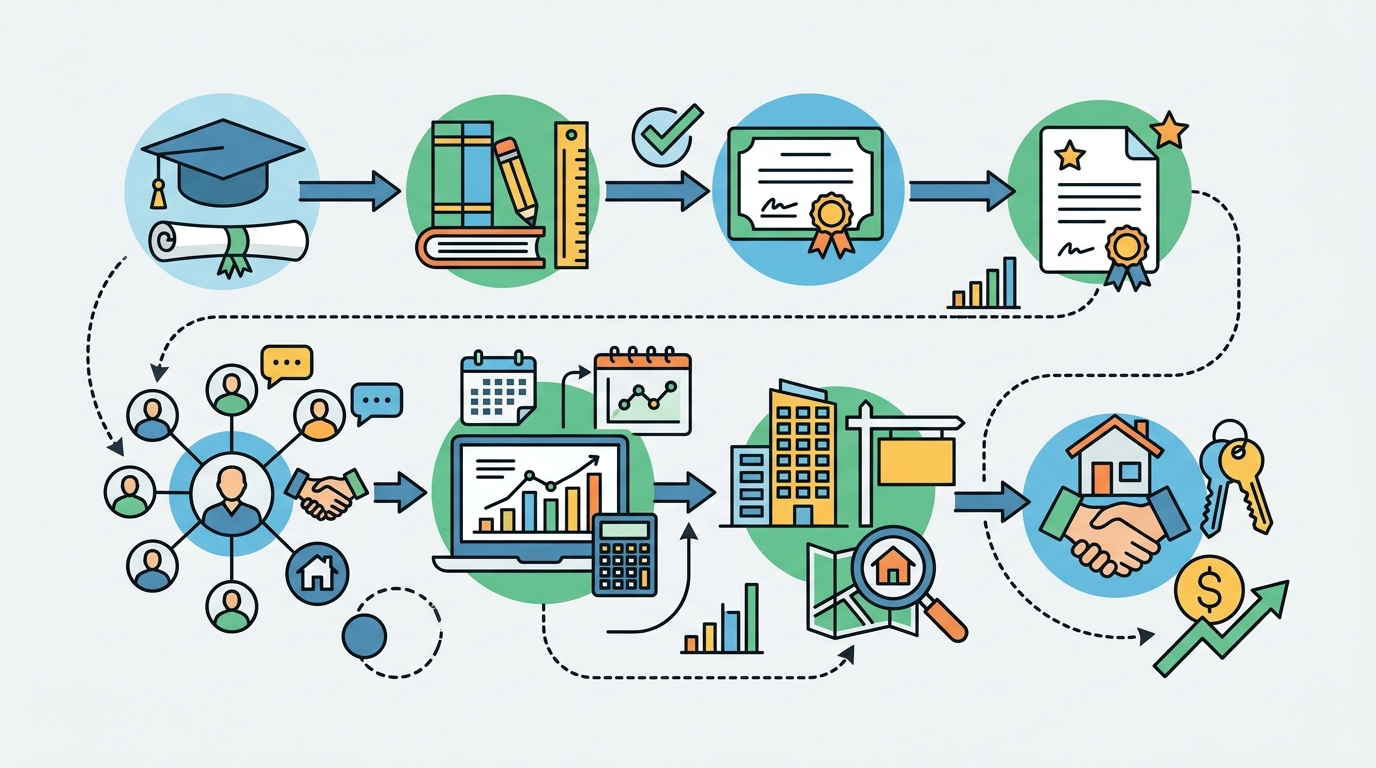
How to Start a Career as a Real Estate Agent
Becoming a real estate agent is one of the shorter licensing paths in the United States: the typical entry-level education is a high school diploma or equivalent (U.S. Bureau of Labor Statistics, 2025), and every state requires brokers and sales agents to be licensed, with minimum requirements that usually include being at least 18, holding a high school diploma or equivalent, completing prelicensing courses, and passing an exam (U.S. Bureau of Labor Statistics, 2025).
Desmond Okafor · 9 min read
Top 15 Behavioral Interview Questions and How to Answer Them
Behavioral questions ask you to describe something you have actually done, on the theory that past behavior predicts future performance — CareerOneStop, the U.S. Department of Labor's job-seeker service, calls them more probing and more specific than traditional questions (CareerOneStop, undated). Nearly all of them open with "Tell me about a time when," "Give me an example of," or "Describe a situation where you had to," which the University of Washington's Career & Internship Center lists as the standard stems.
Marisol Tanaka-Reyes · 8 min read
Truck Driver vs Registered Nurse Salary: Which Pays More?
Registered nursing pays more than heavy truck driving at every stage of the career. The U.S. Bureau of Labor Statistics put the median annual wage for registered nurses at $97,550 in May 2025, against $58,640 for heavy and tractor-trailer truck drivers in the same month (U.S. Bureau of Labor Statistics, 2025).
Marisol Tanaka-Reyes · 8 min read
How to Become a Project Manager
Project management specialists coordinate the budget, schedule, staffing and other details of a project (U.S. Bureau of Labor Statistics, 2025). The usual route in is a bachelor's degree in business, project management or a related field — some employers prefer a technical degree such as computer/IT or engineering — followed by a few years in a related job and on-the-job training as a trainee on small projects (U.S. Bureau of Labor Statistics, 2025).
Noor Abdallah · 9 min read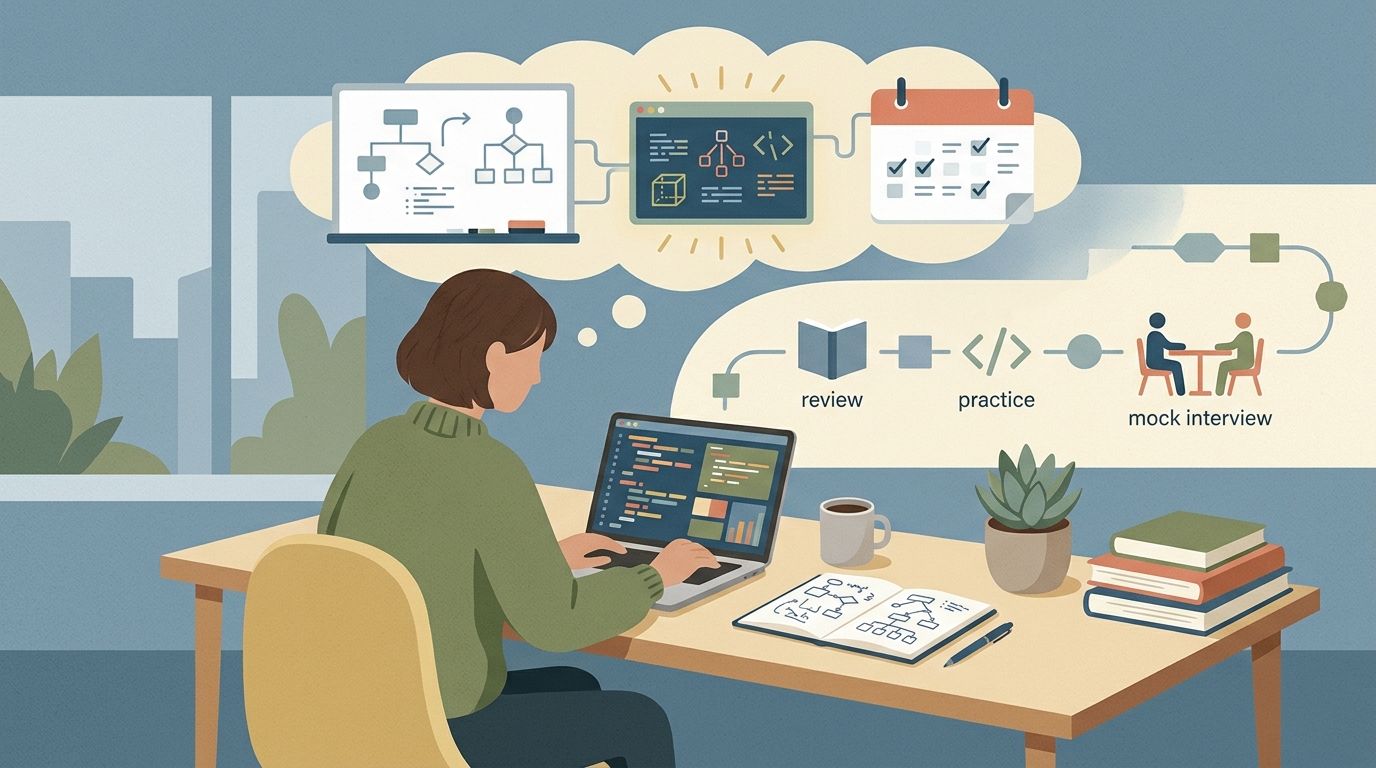
How to Prepare for a Software Engineer Interview
Preparing for a software engineer interview means three separate jobs: refreshing the technical fundamentals you'll be asked to code live, assembling concrete stories about work you've shipped, and handling the logistics so nothing goes wrong on the day. Most loops mix a coding exercise, a design or architecture discussion, and behavioral questions — employers use a mix of behavioral and hypothetical questions to assess things like leadership, how you get work done and how you collaborate (Google, undated).
Desmond Okafor · 7 min read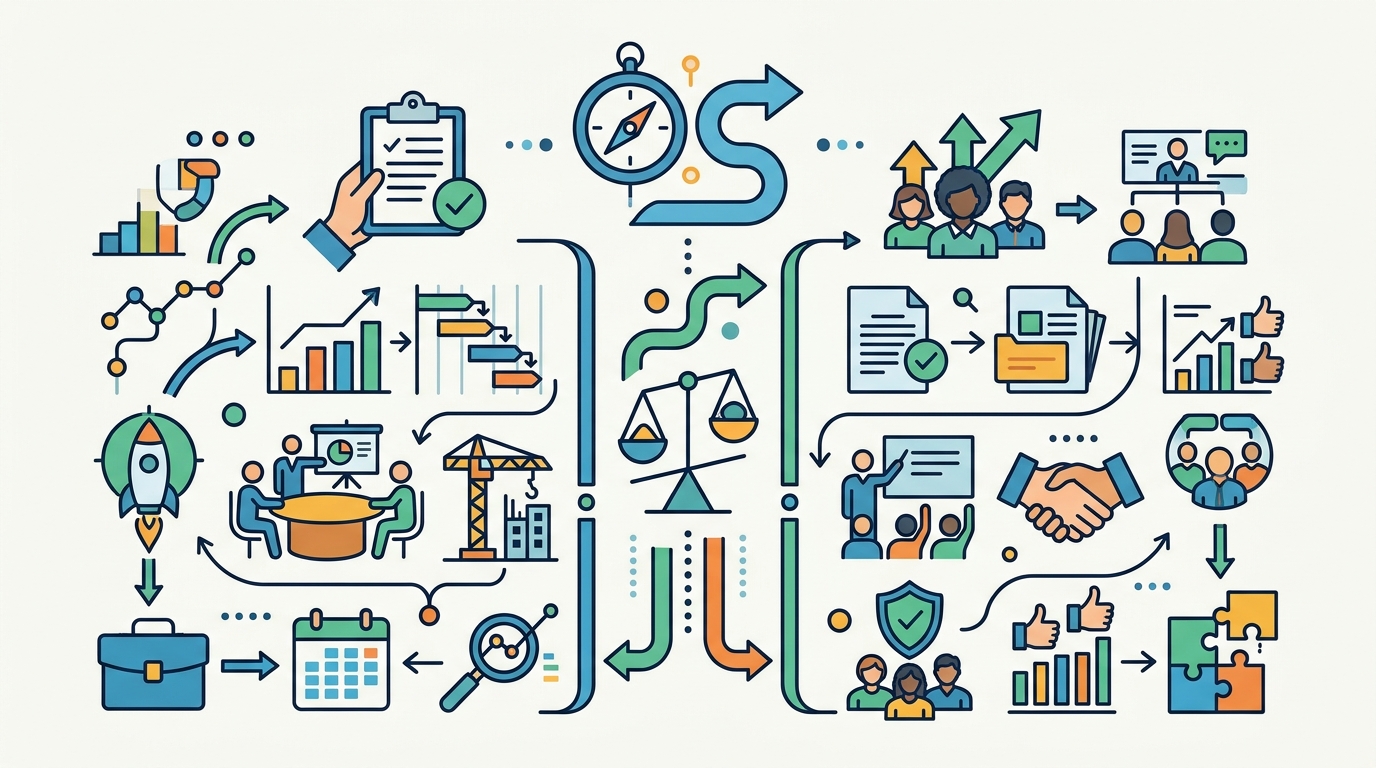
Project Management or Human Resources: A Second-Career Comparison
Project management and human resources are common landing spots for people changing careers in their forties and fifties, because both usually ask for a bachelor's degree plus relevant work experience rather than a fresh qualification. The U.S. Bureau of Labor Statistics (2025) lists a bachelor's degree as the typical entry-level education for both project management specialists and human resources specialists, and notes that project management specialist roles generally require work experience in a related occupation.
Desmond Okafor · 8 min readMost read
- How to Prepare for a Panel InterviewWyatt Holloway · 7 min read
- How to Become an HVAC TechnicianWyatt Holloway · 10 min read
- Real Estate Career Change Roadmap for Working AdultsMarisol Tanaka-Reyes · 10 min read
- Becoming a Cybersecurity Analyst: Education, Licensing, and First-Job StepsMarisol Tanaka-Reyes · 10 min read
- How to Become a Licensed Real Estate AgentDesmond Okafor · 8 min read
Career Paths
- What Does a Vet Tech Do? Duties, Skills, and Salary Explained
- Becoming a Cybersecurity Analyst: Education, Licensing, and First-Job Steps
- How to Become a Software Developer Without a Computer Science Degree
- UX Designer vs. Product Manager: Which Career Path Is Right for You?
Job Descriptions
- Breaking Into UX Design: A Step-by-Step Guide
- EMT or Paramedic? Comparing Duties, Training, and Growth
- How to Become a Medical Coder
- Data Analyst vs. Data Scientist: Key Differences Explained
How to Get Started
- PMP Certification: Requirements and How to Get Certified
- How to Start a Career as a Real Estate Agent
- How to Become a Project Manager
- How to Become an HVAC Technician
Salaries & Pay
- How to Negotiate a Higher Salary as a Remote Worker
- Truck Driver vs Registered Nurse Salary: Which Pays More?
- LPN or RN: Comparing Pay and Career Earnings
- Electrician Pay: Average Salary, Range, and What Affects It
Resumes & Interviews
- Top 15 Behavioral Interview Questions and How to Answer Them
- How to Prepare for a Software Engineer Interview
- How to Prepare for a Panel Interview
- Project Manager Interview Questions: What to Expect and How to Prepare
Changing Careers
- Nursing: A Guide for Career Changers
- Project Management or Human Resources: A Second-Career Comparison
- Real Estate Career Change Roadmap for Working Adults
- Choosing Between Counseling and Social Work as a Career Changer